Green Machines | VW commits to EVs, the EU mandates recycled content and fleets ditch petrol and diesel – Sustainability news August 2026
Global fleets go electric, Volkswagen goes “full steam ahead” with EVs and the EU sets new recycling law

Words by: Catherine Kent
Published on 7 August 2026 | 0 min read
- 70 per cent of global fleets did not buy any petrol or diesel vehicles in 2025 according to the Climate Group’s EV100 initiative
- Volkswagen tells media brand, Edie, it will go “full steam ahead” with electric cars
- The EU to mandate minimum recycled content requirements for new vehicles from 3032
Global fleets are going electric
According to the Climate Group’s EV100 initiative 70 per cent of its members did not add any petrol or diesel vehicles to their fleets last year.
The Climate Group is an international non-profit organisation working towards net-zero carbon emissions by 2050. It founded the EV100 initiative with the aim to help its members electrify their corporate fleets. Currently the collective has over 120 members including big names like AstraZeneca, Ikea and Barclays.
So far, the EV100 estimates its members have avoided three million tonnes of carbon dioxide emissions since joining the initiative, while one in five members has switched at least half of their fleet to electric vehicles. However, EV adoption is not uniform across the globe. EV100 members operate fleets in 140 markets, but electric vehicles have only been deployed in 80 of them. The UK and Europe are leading the way, but in other countries the electric transition isn’t as advanced. Going forward the EV100 will be supporting its members operating in countries with emerging EV markets including Chile, Brazil, Mexico and Kenya to make the switch.

Volkswagen commits to electric vehicles
The Volkswagen Group has made its position on electrification clear with its Chief Sustainability Officer, Dirk Voeste, purportedly telling sustainability media outlet, Edie, “the future will be electric.” According to Edie, when asked about the current targets for zero-emission vehicles, Voeste replied “I had a discussion with our CEO recently,” adding “Oliver Blume clearly said, no, no, we go full steam ahead.”
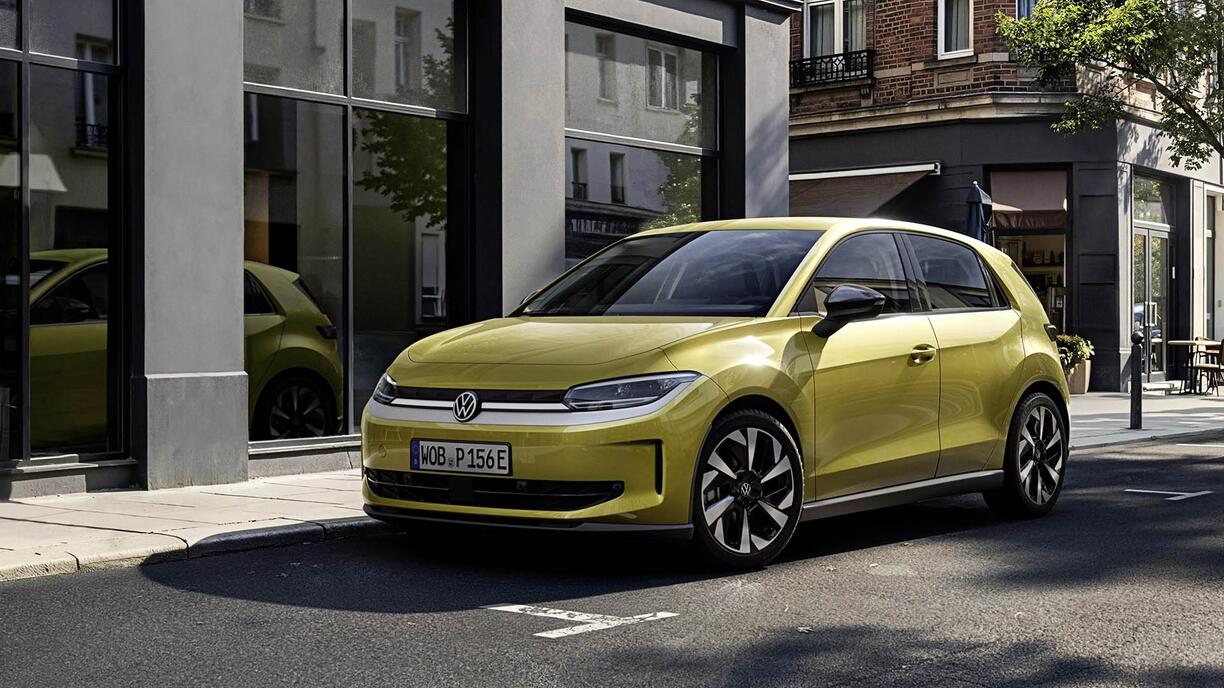
While several manufacturers including Nissan, Ford and Stellantis – which owns brands including Peugeot, Vauxhall, Citroën – have been vocal in their concerns about the UK government’s Zero Emission Vehicle (ZEV) mandate, Volkswagen says its customers are enjoying their EVs and there are more affordable models to come. These include the ID. Polo and ID. Cross, but we are also expecting an entry-level model based on the ID.Every1 concept to arrive next year which will make going electric more accessible still.
In addition to this VW is investing in the circular economy which it believes will have its own financial benefits in the long run by reducing costs of parts and creating refurbished components which can be resold. Volkswagen is not the only brand investing in this area, though, as we found out when we visited Toyota’s Circular Factory in Derbyshire.

The EU to mandate minimum recycled content
In more circular economy news, the European Union has set out a new law mandating in new cars, vans and bikes to be made using a minimum amount of recycled content. The End-of-Life Vehicle Regulation (ELVR) will come into force later this month following the proposal we reported on in March. The ELVR states by September 2032 new vehicles much contain a minimum of 15 per cent recycled content, with this requirement rising to 25 per cent by 2036. Additionally, 20 per cent of the recycled content must be sourced from end-of-life vehicles – though initially tyres will not be allowed to count towards the target – and only materials from post-consumer products which have been used by their intended end-user count towards the target.
Analysis by the independent Commodity Intelligence Service (ICIS) estimates 0.5 to 0.6 million tonnes of recycled plastic will be required to meet the targets by 2040. Recycled materials from countries outside of the EU will not be allowed to count towards the minimum targets until August 2030 and any material from overseas will need to meet EU standards. However, if there is not enough recycled content available, the European Commission reserves the right to revise down the plastic content target.
