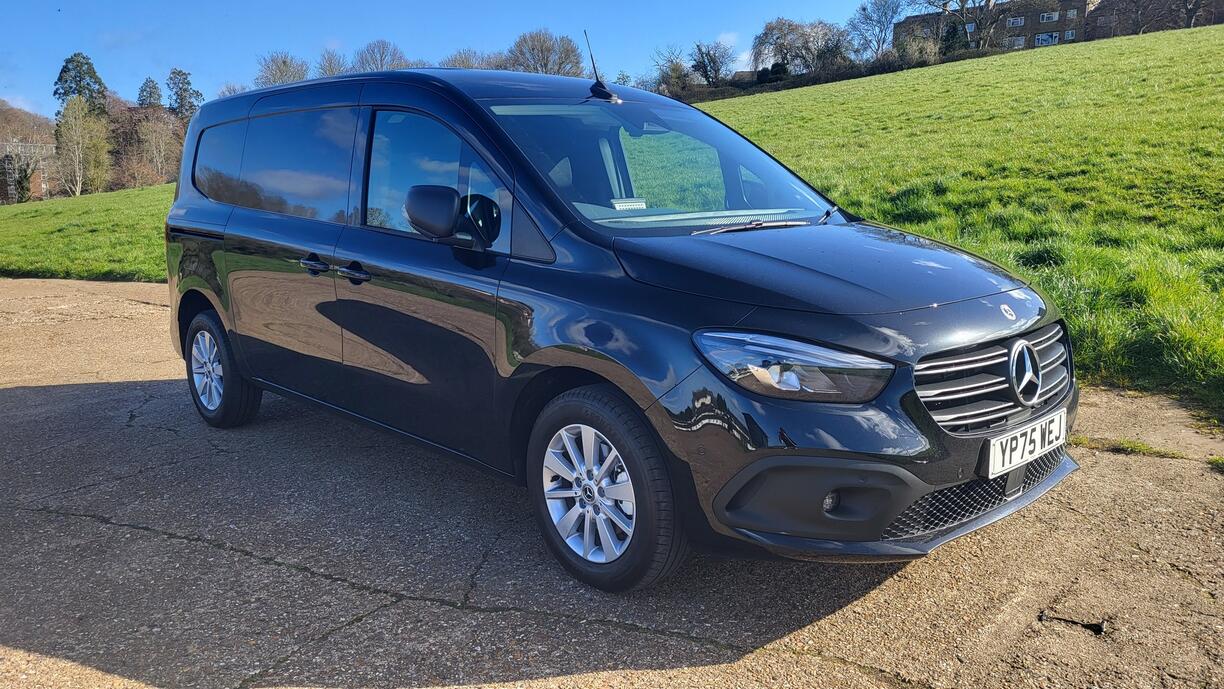
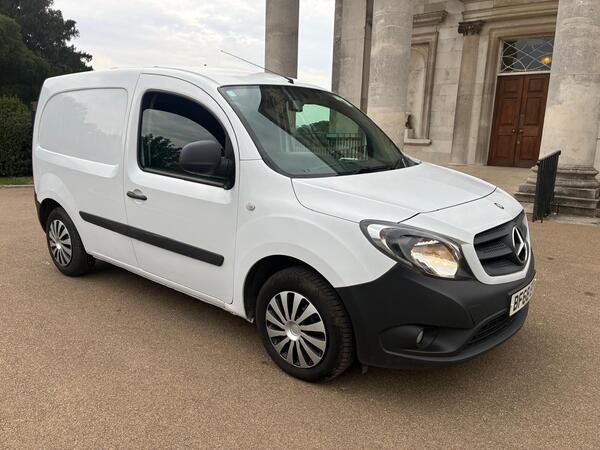
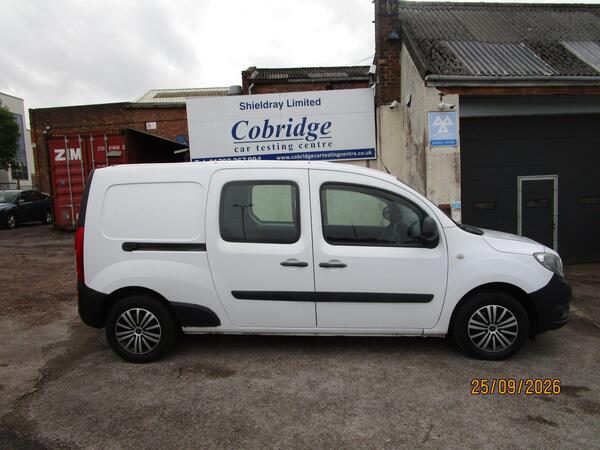
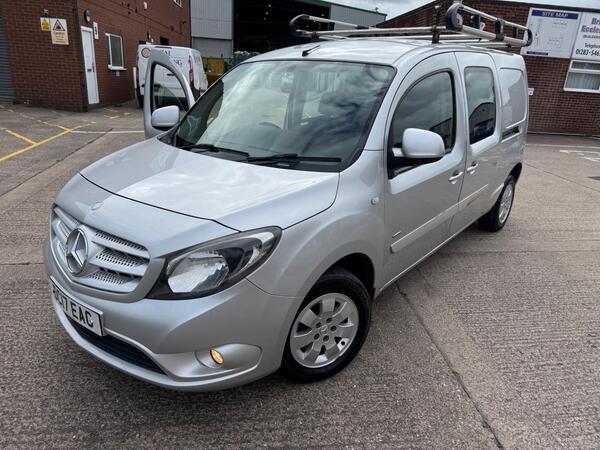
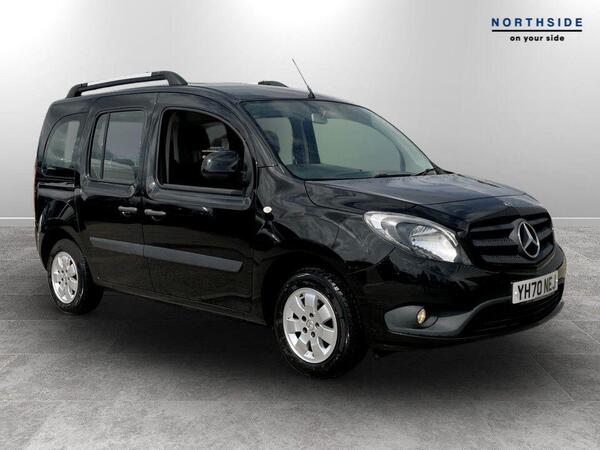
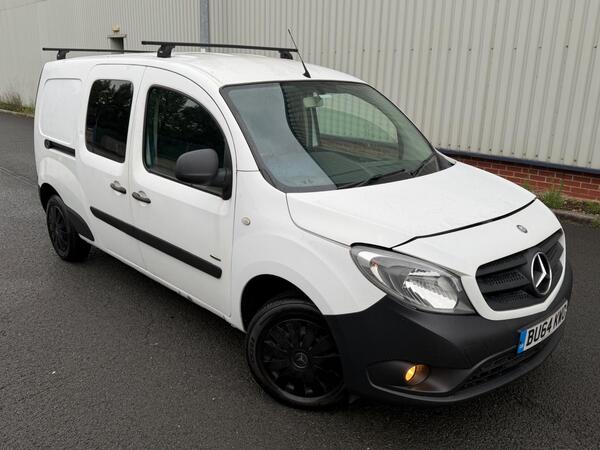
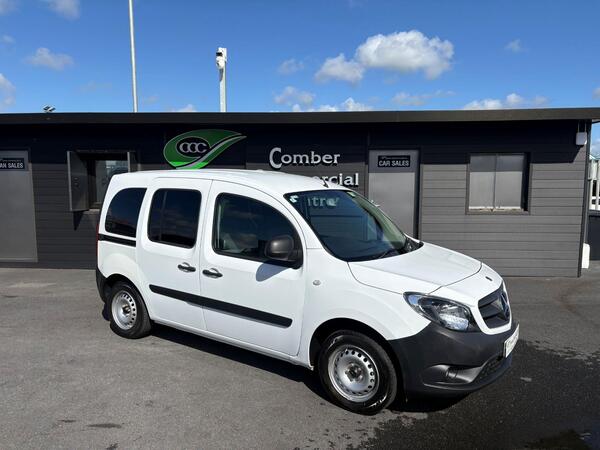
The Mercedes-Benz Citan proves that a final version of a van (before it’s yanked from the market) can absolutely redeem a shaky history. Where the first-generation model fell short, this final version lands with confidence – and a lot of that is down to its excellent foundations, shared with the Renault Kangoo and Nissan Townstar. The Citan always felt distinct, thanks to its higher-quality interior, slick MBUX infotainment system, signature three-pointed star appeal and an unlimited mileage three-year warranty. Early concerns around lower payloads have been addressed alongside with the introduction of additional engine outputs improving its overall usability, though it still trails some rivals in outright carrying capacity. None of these shortcomings were ever deal breakers, but they were worth weighing up if your requirements sat at the upper end of the segment. That said, genuinely premium small vans remain a rarity, and the Citan makes a strong case to be considered as one of the best of them. It’s just a shame that 2026 marks the end of the line, as Mercedes-Benz shifts focus to its more successful Vito and Sprinter models. Still, this is a van that’s likely to enjoy a long and healthy life on the used market.
Running a diesel engine doesn't help the Citan achieve a lofty green rating, but its 50 mpg rating certainly helps from an efficiency standpoint... it burns less fuel to get you further. The electric eCitan should be your go-to if you want to drive a vehicle that kinder to the environment. Instead, the Citan gets a boost from the Mercedes-Benz Group itself having a clear environmental commitment called 'Ambition 2039'. This encompasses goals such as increasing the share of renewable energies in production to 100% by 2039, reaching 80% at Mercedes-Benz Vans by 2030. Right now, the group's locations obtain 100% of their external electricity from renewable energies. The group’s is also working towards using more secondary raw materials in the next decade in line with ‘Ambition 2039’. For example, by the end of the decade Mercedes plans to source more than 200,000 tons of CO2-reduced steel annually from suppliers, and for future electric vehicle generations in Europe at least one-third of the aluminium used will be produced with renewable energies.
Cargo & practicality
Offered in two lengths, the Mercedes-Benz Citan delivers solid practicality for the right kind of business. The L1 provides 2.9 cubic metres of load space, while the L2 extends that to 3.6 cubic metres. Payload peaks at just over 850kg in L2 panel van form, although this varies depending on specification. Twin sliding side doors come as standard on L2 models only, making the longer version the obvious choice if ease of access is a priority. From PRO trim upwards, you’ll also get LED load bay lighting and plastic flooring – features that arguably should be standard across the range. While payload figures aren’t class-leading, they’ll be sufficient for lighter-duty roles. We threw in some packing boxes and folding e-bikes on our test run... including the excellent Engwe L20 3.0 Pro and its smaller sibling, the Engwe Zip. As ever, practicality needs to be balanced against price, especially when comparing the Citan to more utilitarian rivals. There’s also an L2 crew van option, offering a 789kg payload alongside a 3.25 cubic metre load area.
Expert rating: 3/5
Interior
Inside, the Citan strikes a pleasing balance between comfort and durability. It feels unmistakably Mercedes-Benz – refined without being overindulgent – and even entry-level models come well equipped. Standard kit includes a multifunction steering wheel, covered glovebox, height-adjustable driver’s seat, air conditioning, cruise control and the impressive MBUX infotainment system with a crisp 9.5-inch display and smartphone integration. Moving up to PRO trim adds thoughtful upgrades such as LED interior lighting, one-touch electric windows, an armrest with storage, and improved seat adjustability, including lumbar support for the driver. At the top end, SELECT trim brings cosmetic enhancements like chrome detailing, high-gloss black finishes and a leather-trimmed steering wheel and gear knob. Storage is practical rather than exceptional, though door bins large enough for 1.5-litre bottles are a welcome touch.
Expert rating: 3/5
Running costs
Efficiency is one of Citan's stronger suits. The 1.5-litre diesel engine, available with 95 or 116 horsepower outputs, can return up to 54mpg, putting it among the more economical options in the segment. While the initial purchase price sits slightly above that of the Kangoo or Townstar, the added sense of quality, generous equipment levels and unlimited mileage warranty help justify the premium. Spread the cost through finance or leasing, and it becomes a far more appealing proposition. With production ending soon, the used market is likely to become the Citan’s natural home where it could present consumers with particularly strong value.
Expert rating: 4/5
Reliability
Mercedes-Benz offers a three-year unlimited mileage warranty with the Citan, alongside 24/7 breakdown cover. The underlying platform has a good reputation, but as a relatively recent design, long-term reliability data is still limited. That said, there’s every reason to expect it will prove itself over time, particularly as more examples enter the used market. Check them out on the Autotrader marketplace here.
Performance
The Citan is easy to get along with, whether you’re driving across town or tackling longer journeys. The load area is well designed and easy to access, particularly with the optional twin side doors, while the driving position feels secure and comfortable. Like many small vans with car-derived underpinnings, the cabin can feel a little tighter than more utilitarian alternatives such as the Vauxhall Combo. It’s not a major issue, but it’s worth considering if you regularly carry multiple passengers – something the crew van variant addresses.
Ride and handling
Mercedes-Benz has done a commendable job of differentiating the Citan from its Kangoo sibling. Slightly firmer suspension and sharper steering give it a more composed and engaging feel on the road. Over a varied 30-mile test route covering urban streets, motorways and country roads, the Citan felt stable, predictable and easy to drive—even with a 250kg load onboard. In fact, it’s so car-like in its behaviour that it’s easy to forget you’re driving a van at all. The 1.5-litre diesel provides ample performance for most scenarios, and the automatic gearbox delivers smooth, fuss-free shifts.
Safety
While the Citan hasn’t been independently rated, its close relation to the Renault Kangoo – which achieved a Platinum NCAP safety rating in 2024 – bodes well. Standard safety equipment is comprehensive, including a rear-view camera, rear parking sensors, Active Lane Keeping Assist, Traffic Sign Assist, Active Brake Assist, tyre pressure monitoring, airbags, driver attention monitoring, Hill Start Assist, an alarm system and deadlocks. PRO trim adds Blind Spot Assist, while SELECT models benefit from Highbeam Assist, Active Parking Assist and KEYLESS-GO functionality. Altogether, it’s a reassuringly complete safety package.
Expert rating: 4/5
Equipment
The Citan is well equipped across the board, with higher trims adding meaningful upgrades rather than filler. At the top end, SELECT models stand out with LED headlamps, 16-inch ten-spoke alloy wheels, LED fog lamps, metallic paint and body-coloured bumpers, all of which enhance the van’s visual appeal and reinforce its premium positioning.
Expert rating: 4/5
Why buy?
The three-pointed star carries weight—and in the case of the Citan, it’s more than just badge appeal. This is the most complete version of the model yet, combining strong safety tech, generous equipment and a genuinely premium feel in a segment that rarely delivers it. Yes, payload figures could be stronger and the price is slightly higher than its closest rivals, but for the right business, those compromises will be easy to justify—especially with the right finance deal in place. With production ending, the Citan’s real opportunity to shine may come on the used market, where its blend of quality and usability could make it a very smart buy indeed.