Are electric bicycles becoming too powerful?
Are e-bike manufacturers pushing the limits of power, even on fully legit electrically assisted bicycles?
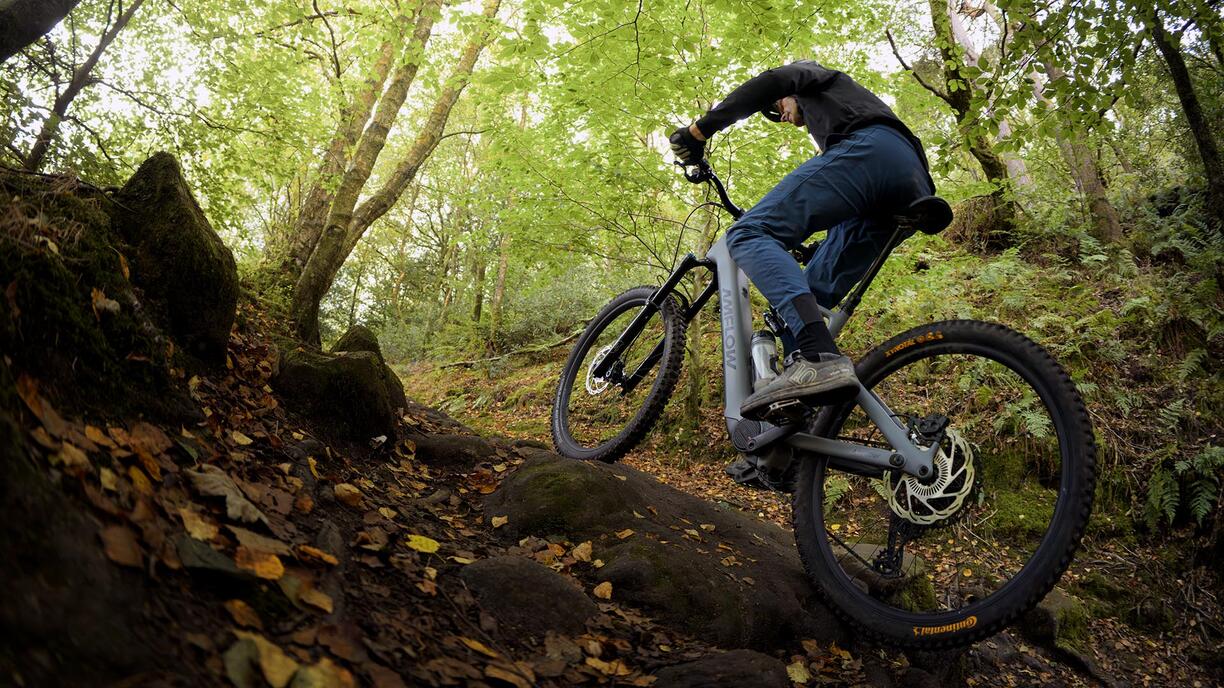

Electric bicycles have moved quickly from a once-niche commuter choice to a mainstream transport solution. And for good reason, too. They can flatten hills, make longer journeys feel realistic and open cycling to people who might otherwise leave the bike at home. For many riders, that extra assistance is the whole point. But the rapid growth of the e-bike market has also created some grey areas – particularly within off-road disciplines.
While the vast majority of big-brand electric mountain bikes (eMTBs) sold from reputable dealers are fully legal to ride on- and off-road you don’t have to look too far beyond to find models styled like mini-motorbikes and selling on big power outputs and higher-capacity batteries. Some machines sold online are described as “off-road only”, while others blur the distinction between pedal assist, throttle control and electric motorcycle performance.
So, are e-bikes becoming too powerful? The answer is partly legal, partly practical and partly about consumer clarity. The best e-bikes still behave like bicycles with a bit of added assistance. The problem starts when buyers are sold something that looks like an ordinary e-bike but, by the legal definition, should be classed as a moped or motorcycle. Many of which you may have seen zooming about your local streets. How far can you take it while staying the right side of the law? Read on to find out!
Skip to:

What counts as a legal e-bike in the UK?
In the UK, a road-legal electric bicycle is known as an electrically assisted pedal cycle, or EAPC. To be treated like a normal bicycle, it must have pedals that can propel it, an electric motor with a continuous rated power output of no more than 250 watts, and no motor assistance beyond 15.5mph. If the bike meets those rules, riders aged 14 or over do not need a driving licence, registration, vehicle tax or compulsory insurance, and the bike can be used anywhere ordinary pedal cycles are allowed, except pavements.
In an off-road context this means bridleways, byways and most dedicated mountain bike trail centres. Wherever you ride the important bit is that the motor should assist your pedalling, not power the bike in isolation. You can ride faster than 15.5mph if your legs, fitness or a downhill stretch allow it, but the motor should not be pushing you beyond that point.

When does an e-bike become a motorbike?
If an electric bike can be propelled by its motor without turning the pedals or at more than 15.5mph, has a continuous rated power output higher than 250 watts, it is not treated as an EAPC and may be classed as a motorcycle or moped. That brings a very different set of responsibilities if it’s going to be ridden on the road or public rights of way.
Unless it’s only to be used on private land a non-EAPC machine needs to be registered, taxed and insured, and the rider may need the correct licence as well as an approved motorcycle helmet. It may also be restricted to the road rather than cycle lanes or cycle tracks.

Power ratings: why the numbers can mislead
The headline wattage is often the first thing buyers notice, but it is not always the most helpful number. UK rules focus on continuous rated motor power, not necessarily the biggest “peak” figure used in marketing. A bike advertised with dramatic performance language may still be legal if its continuous rated output is compliant, but the burden is on the buyer to check the specification carefully.
Torque, motor position, gearing, rider weight and terrain all affect how powerful an e-bike feels. A well-designed 250-watt mid-drive e-bike can climb confidently and feel far more competent on a steep trail than a cheaper model with a less refined system. More power on paper does not automatically mean a better, safer or more enjoyable bike, though.

Bigger batteries are not the same as illegal power
Battery size is another area where buyers can get understandably confused. A larger battery usually means more stored energy and, potentially, more range. It does not automatically mean the motor is too powerful, or that the bike is illegal.
For consumers, battery capacity is best understood as a range question. How far do you need to ride? Will you be climbing hills, carrying shopping, riding in winter or commuting with a laptop and waterproofs? A bigger battery can make practical sense for cargo bikes, hilly routes and longer journeys. The legal issue is not the size of the battery alone, it is what the motor does with that energy.

Throttles and “off-road” modes need extra care
Throttle controls are one of the biggest sources of confusion. Government guidance says “twist and go” cycles delivering electrical assistance without pedalling require type approval, and electric cycles with an “off-road” mode propelling the bike above 15.5mph are considered motor vehicles rather than compliant EAPCs.
That does not mean every e-bike with a walk-assist function is a problem. It does mean buyers should be cautious of any bike promising motor-only riding, switchable high-speed modes or public-road performance that sounds closer to a moped than a bicycle.

So, should you just get an electric motorbike?
Not necessarily. If you want help with hills, an easier commute, a greener school run or a more accessible way into cycling, a legal e-bike can be a brilliant answer. It keeps the simplicity of a bicycle while adding just enough assistance to make everyday journeys feel achievable.
But if what you really want is sustained motor power, throttle-led riding, higher speeds, road presence and motorcycle-style performance, an electric motorbike may be the more appropriate choice. It comes with more regulation, but also clearer expectations around licensing, insurance, protective kit and where it can be used.
Autotrader already has a dedicated electric motorbikes section, where you can learn more about the different types, the regulations governing them and whether or not it's the right tool for the job. Ultimately, the right choice depends on how you ride, where you ride and how much responsibility you want to take on.

The verdict
E-bikes are not becoming too powerful by default. Yes, there are some obscene peak power and torque numbers thrown around now – particularly on the eMTB side of things. But, the best e-bikes remain practical, efficient and legally straightforward.
The simple rule is this: if it assists your pedalling within the legal limits, it is an e-bike. If it powers you like a small motor vehicle, treat it like one. For buyers, that distinction is not a technicality. It affects safety, legality, insurance, where you can ride and what kind of powered two-wheeler will suit your life best.
