ROAD TO 2030: Is now the time electric cars go mainstream?
Is the UK ready for mainstream EV adoption? Autotrader's latest data report digs into it.

Words by: Andrew Woodhouse
Published on 19 June 2026 | 0 min read
One of my favourite projects at Autotrader is our Road to 2030 Report, which tracks the progress of electric vehicle (EV) adoption in the UK as we approach the end of the sale of new pure internal combustion engine (ICE) cars.
Across new cars, used cars and charging access, our key findings this time around all point in one direction: that electric cars are becoming a more realistic option for more people than ever.
Of course, they still won’t suit every buyer in the same way, so we need to take a proper look at where the market is genuinely improving, and where practical limits still exist.
So, let’s dig into our key findings this time round.
New electric cars are getting closer to petrol prices
For years, the biggest blocker was the sticker price. But now that gap is narrowing.
Lower-priced EVs are entering the marketat increasing speed now, with 40 new electric vehicles available now for below £30,000, compared to just nine EVs in that price bracket a few years ago
While this is happening, the UK’s Electric Car Grant is further supporting electric car buyers by knocking either £1,500 to £3,750 (depending on the model) off eligible new electric cars priced at £37,000 or below.
There’s still a price gap, but choosing an electric car doesn’t mean exclusively shopping with a premium budget. If you’re shopping for a new car and already considering vehicles in the £20,000 to £30,000 range, electric is now much more likely to appear on the shortlist as a practicaloptionrather than a financial stretch.
And of course, once you’ve got an electric car, you’re open the savingson fuel costs, maintenance, road tax and more. Right now, fuel cost savings are about £960 annually, if you can charge at home.
Used electric car prices are starting to feel more predictable
Used electric car prices changed a lot for the last few years, and that made some people nervous about buying one. If you were worried a car might drop in value soon after you bought it, that was a fair concern.
That picture looks calmer now, and prices are not moving around as much as they were, which makes the market easier to understand and gives potential buyers like you a clearer idea of what a used electric car isreally worth.
Our data shows a strong interest in used electric cars, and electric cars that are three-to five-years-old are some of the cars buyers are moving the most quickly for.
But we’re still seeing a lack of supply of cars under £10,000, meaning those with lower budgets are still being locked out of the switch to electric.
A used EV should feel like less of a gamble than it once did. If you want to spend less than you would on a new car, but still keep running costs down, a three-to-five-year-old electric car can be a sensible place to look.
As ever, it’s still worth checking things like battery warranty, service history and whether charging will work for you day-to-day, but the market itself is looking steadier than it did a couple of years ago.
Access to charging still shapes whether an EV makes sense
Though prices are improving and buyer interest in used electric cars is growing, charging remains one of the biggest practical dividing lines.
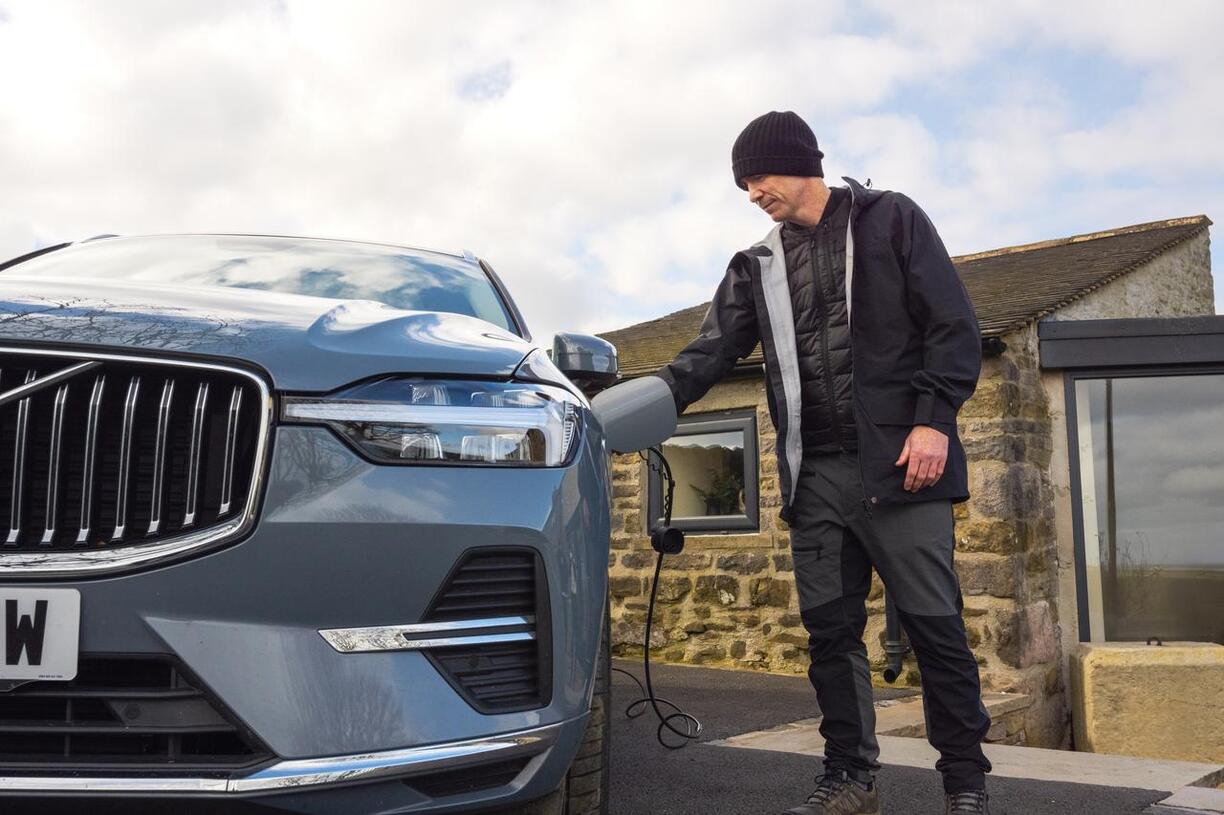
Buyers with a driveway or reliable home charging setup are often in the strongest position tobenefitfrom lower running costs. People who park on the street or live in flats still face a more complicated experience.
There’s been plenty of policy work focused on that gap over the past year or so, with government proposals aimed at making home charging easier for renters and drivers without driveways, including support for cross-pavement charging solutions and wider reforms to reduce planning barriers. But right now, it’s still a bit of a postcode lottery with Local Authorities taking different approaches.
At this point, we’d say charging needs to sit alongside budget, mileage and vehicle type in your buying decision. If you can charge easily at home, an electric vehicle may now make more sense than it did even a year ago. If you can’t, it’s still probably worth looking carefully at local charging availability and likely costs before you jump. The car itself may be affordable, but ownership needs to work day-to-day.
I personally find it heartening to see electric cars becoming an affordable option for more people year-on-year. There’s some really good savings to be had when running an electric car, and it’s nice to see that being made more accessible thanks to mix of lower sticker prices on new cars and a bump indecent used cars.
I’ll admit, they’re still not for everyone, and I do know people that have struggled with the logistics of getting their car charged up on longer journeys.
Access to home charging can significantly change the ownership experience and running costs, but those reliant on public chargingare going to have a different conversation on cost and convenience.
Budget also matters, particularly at the cheaper end of the market, where affordable used EV options remain relatively limited.
But it’s never been a one-size-fits-all transition. For some drivers, these changing market conditions make electric ownership more compelling than ever. For others, questions around charging access, affordability or vehicle lifespan are going to be influential.
The key takeaway from this report is that the EV market is maturing, but the right choice still depends on how a vehicle fits into your daily life, finances and long-term priorities. And when you’re ready, we’re here to help you make the switch.